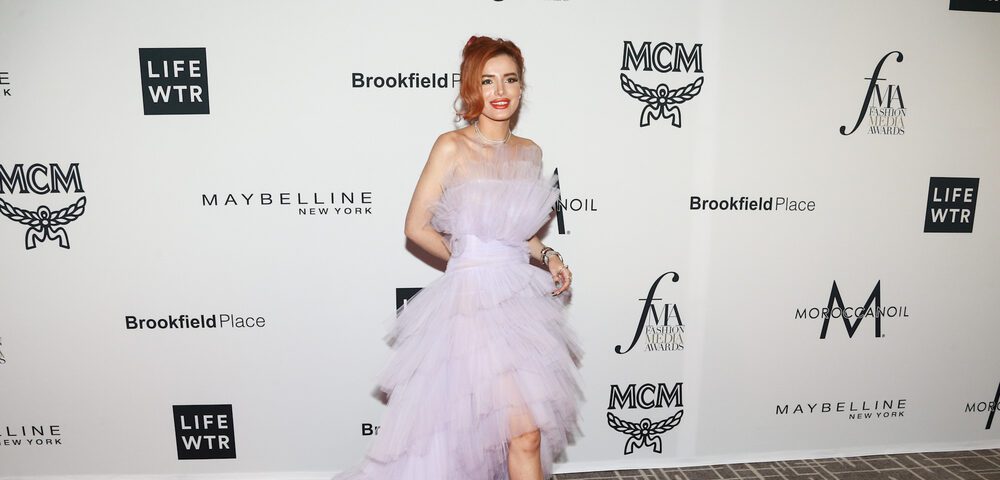
The Bella Thorne OnlyFans Experiment.
We're Looking At The Chaos, The Cash, & The Cold Hard Truth Behind Her Grand Entrance.
The lines between a traditional celebrity and the booming creator economy continue to blur. Few moments highlight this intersection as vividly as Bella Thorne‘s foray into the world of OnlyFans. In the summer of 2020, the former Disney star didn’t just dip her toes into the platform; she made a splash that sent ripples throughout the OnlyFans community and beyond. Her arrival wasn’t just another famous face; it was an event, a talking point that ignited conversations about fame, finance, and the evolving landscape of online content creation.
August 2020 marked Thorne’s grand entrance, setting her monthly subscription at $20. The internet watched as a mainstream celebrity ventured into a space often associated with sex work. What happened next was nothing short of phenomenal. The headlines screamed: Thorne shattered records, amassing a staggering $1 million in her first 24 hours and doubling that to $2 million within her debut week (Actress Bella Thorne makes $2 million in first week of launching OnlyFans account). These numbers weren’t just impressive; they were a stark illustration of the power of a pre-existing and engaged fanbase.
Thorne framed her venture as “research” for a film project she was developing with director Sean Baker. She explained that this film aimed to delve into the intricacies of the platform and the motivations of those who use it (Bella Thorne explained surprising reason she joined OnlyFans). This justification, while perhaps intriguing, did little to quell the storm of reactions that followed.
Her content strategy was a blend. While she did offer what some might consider risqué imagery and promised interactions with her subscribers, Thorne notably maintained that she did not venture into fully explicit content. She also voiced a desire to challenge the prevailing stigma surrounding sex work, aiming to bring a more mainstream perspective to the platform (Bella Thorne, OnlyFans, and the battle over monetising content – BBC).
A Tale of Two Sides
The arrival of such a high-profile celebrity had a dual impact. On one hand, Thorne’s instant success underscored the immense power of pre-existing fame. Her millions of followers across platforms like Instagram and Twitter provided a ready-made audience eager to subscribe to her OnlyFans page. This demonstrated the potential for celebrities to bypass traditional gatekeepers and connect directly with their fans, monetizing those relationships in a new and immediate way.
However, this rapid influx of fame and fortune wasn’t universally celebrated. A significant backlash emerged from within the established OnlyFans creator community. Concerns were raised about the potential “gentrification” of the platform, with some arguing that the arrival of celebrities could overshadow and negatively impact the livelihoods of creators who had built their presence from the ground up, often relying on it as their primary source of income (Bella Thorne and the Sexploitation of OnlyFans).
The controversy intensified when Thorne offered a $200 “nude” photograph that did not, to some subscribers’ disappointment, depict full nudity. This incident, coupled with the sheer volume of her initial earnings, appeared to trigger a response from OnlyFans itself. Shortly after Thorne’s rapid rise, the platform implemented new policies that included limitations on transaction amounts and the introduction of delays in payouts for creators. While OnlyFans stated these changes were for security reasons, many in the creator community perceived them as a direct consequence of the issues arising from Thorne’s high-profile entry. The feeling was that the platform was reacting to the expectations and behaviors of a celebrity user in a way that inadvertently penalized the broader community.
The academic perspective also weighed in, with discussions around the “celebritization of online sexual labour” (OnlyFans: The Celebritization of Online Sexual Labour). This viewpoint suggests that the entry of mainstream celebrities into spaces traditionally occupied by sex workers can shift the dynamics, potentially marginalizing those who built the platform and rely on it for their income. The argument is that the inherent fame and following of celebrities give them an unfair advantage, altering the perceived value and discoverability of other creators’ work.



The Real Takeaway
Bella Thorne’s time on OnlyFans serves as a compelling case study in the dynamics of fame, online monetization, and the sometimes-fraught intersections between celebrity culture and the creator economy.
- Fame Is Your Secret Weapon: Thorne’s case highlights how a significant existing fanbase can translate to rapid financial success. For those already in the public eye, the barrier to entry can be considerably lower.
- Clarity Is Key: Thorne’s stated intentions, while intriguing, didn’t shield her from criticism. This underscores the importance of being clear and authentic when engaging with online communities.
- Your Actions Have Ripple Effects: The fallout from Thorne’s brief but impactful presence on OnlyFans demonstrates how high-profile users can influence platform policies and the experiences of the wider creator base.
- It’s All About Ethics: The debate around Thorne’s entry brought to the forefront ethical questions about celebrities entering spaces often dominated by sex workers.
Bella Thorne’s experiment leaves us pondering the long-term effects of such high-profile entries and the ongoing evolution of these digital spaces.
Ready to get strategic & build a sustainable brand?
FAQ's
-

By Amber
- 6 months

Our Playground, Your Essentials
You're a creator. You're a business. We get it. Our shop isn't just about merch; it's a curated collection of everything you need to build your empire. From top-tier gear that makes you look incredible to the business essentials that keep you organized, we've hand-picked products that help you get noticed, get paid, and stay on top.